The First Hour After a Wreck in Waco: What to Actually Do
You don't need to remember much. You need to remember this, roughly in order.
September 2, 2026 · 4 min read
Getting rear-ended on I-35 or clipped turning off La Salle isn't something most people rehearse for, so when it happens, the brain tends to skip straight to panic. Here's the version without the panic, roughly in the order it actually needs to happen.
First, get safe
If the car still drives and it's blocking traffic, get it to the shoulder or a parking lot before doing anything else. Hazards on. If anyone's hurt, that's the only call that matters right now. Everything below can wait a few minutes.
Then, before you talk to anyone: take pictures
- All four corners of both vehicles, not just the damaged parts
- License plates, on both cars
- The road itself, skid marks, debris, which lane or intersection you were in
- Any visible injuries, if it's safe and appropriate to do so
- The other driver's insurance card and license, photographed, not just glanced at
It feels excessive in the moment. It stops feeling excessive once you're on the phone with an insurance adjuster three days later trying to remember which lane you were actually in.
Exchange information, not opinions
Names, insurance, license plates, phone numbers. That's the whole list. Whatever you think happened, or whose fault it was, keep it to yourself in the moment. That conversation belongs between your insurance companies later, not on the shoulder of a highway with your adrenaline still running.
Call the police if the situation calls for it
For anything past a minor parking-lot bump, it's worth having an official report on file for the insurance side of things. When in doubt, ask the dispatcher whether your situation needs an officer on scene or a report you can file afterward.
A few mistakes worth avoiding
- Driving off before you've exchanged information, even if the other driver seems fine with it
- Agreeing to "just handle it between us" without involving insurance at all, which sounds simpler in the moment and rarely stays simple
- Accepting the first repair number you hear without a second look from a shop that actually does this kind of work
- Waiting days to get the car checked, since some damage that isn't obvious on day one gets more expensive to ignore
What to have ready when you call your insurance
Have your policy number, the other driver's information, and your photos on hand before you dial. Adjusters move faster with a complete picture the first time instead of piecing your story together over three separate calls. If you're not sure what counts as complete, that's a normal thing to not know, and it's a big part of why getting a shop involved early helps: someone who does this daily can tell you what actually matters to the claim and what's just paperwork.
If nobody stops, or you weren't at fault
A hit-and-run changes the order a little but not the substance. Get whatever plate, make, and color information you can, and note the direction the other vehicle went. If anyone nearby saw it happen, ask if they'd be willing to give a quick statement or leave a number, since a witness who's already gone by the time police arrive is a witness you can't get back later. None of this requires you to chase anyone down. It requires you to notice and write it down before your memory of the next hour crowds it out.
The days after the first hour matter too
Soreness and stiffness from a collision don't always show up right away. If something starts bothering you a day or two later that wasn't bothering you on scene, that's worth mentioning to your doctor and noting for your insurance file, not something to shrug off because the accident already feels like old news. The same goes for the car itself. A rattle or a pull to one side that shows up a few days later is often connected to the wreck even if it wasn't obvious at the scene, and it's worth mentioning when you bring the car in.
Get the car looked at before you decide anything
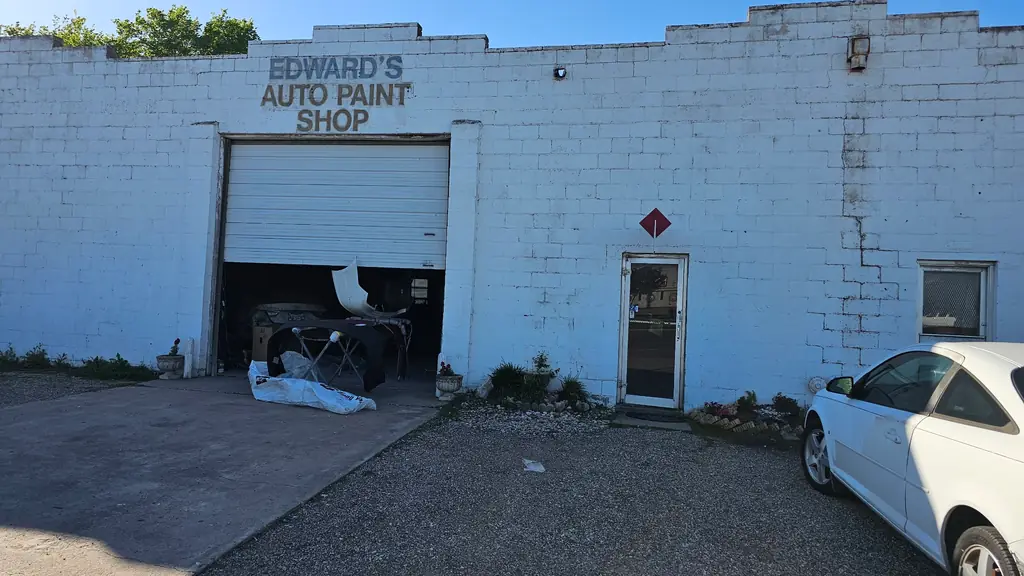
This is the step people skip, and it's the one that saves the most money. Before agreeing to whatever number gets thrown around, get a second look from someone who actually works on cars for a living. Edward's does free estimates on all auto body work and takes insurance directly, so there's no reason to sign off on a figure nobody who's actually seen your car agreed to.
They're at 2015 La Salle Avenue, right around the corner from Baylor, and the front office will walk you through what happens from here. Insurance accepted, three generations of doing this in Waco, and nobody's going to make you feel dumb for asking questions. A wreck is already a bad afternoon. It doesn't need to turn into an ongoing headache too.
Edward's Auto Paint Shop — (254) 752-8819
Call (254) 752-8819More articles
What Actually Happens Between a Wreck and Getting Your Car Back
No jargon, no guessing. Here's the order things actually happen in, start to finish.
Why Matching Your Paint Color Is Harder Than It Looks
Two cans of "the same" color can look nothing alike once they're on the car. Here's why.